By Z. Aw | Published | Updated
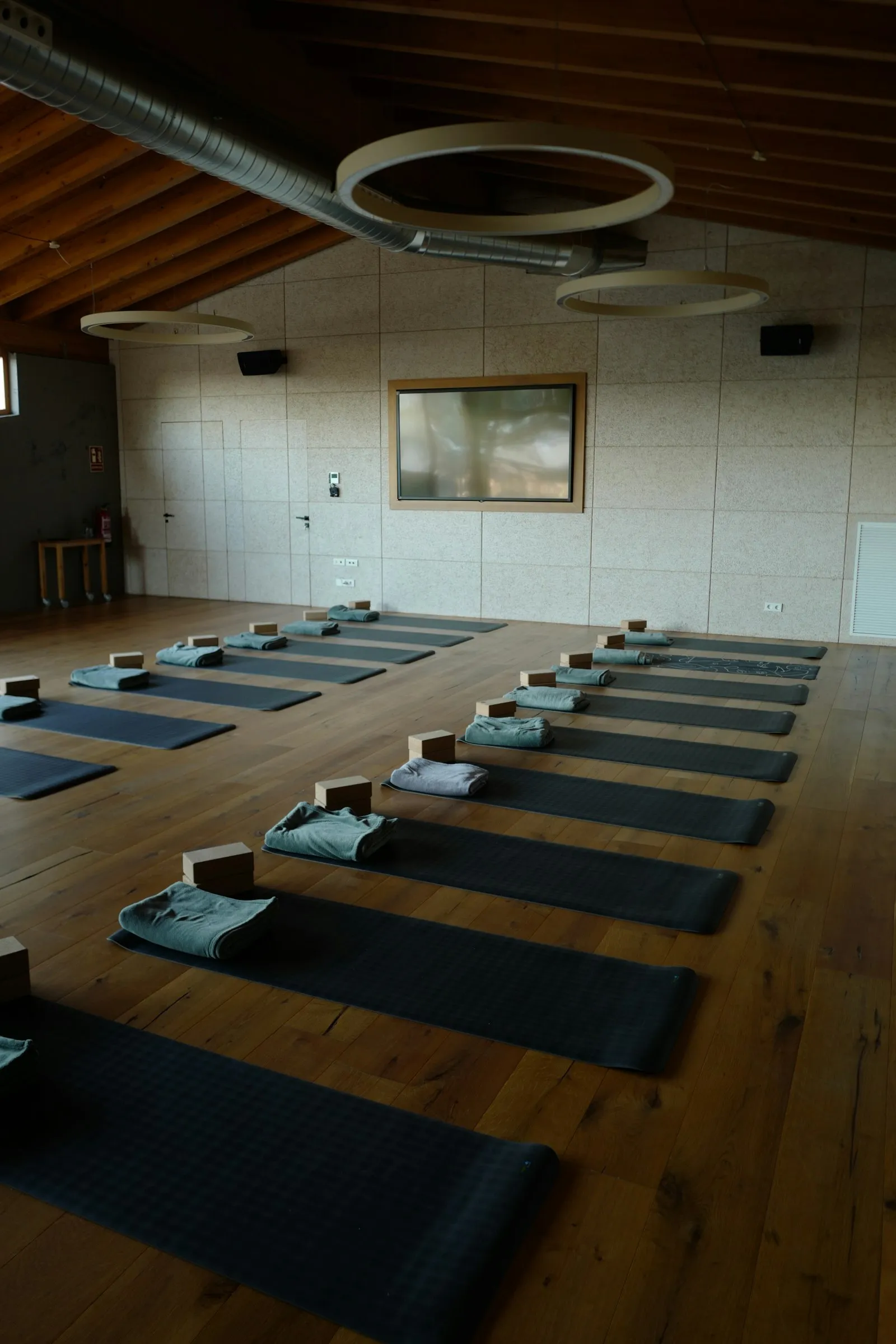
AI for SG fitness studios and sport academies: what actually moves the needle
Most "AI for SMEs" advice was built for retail and pasted onto every other vertical. It misses how a 12-coach yoga studio in Tiong Bahru actually loses money.
We run a live sport AI advisor at altronis.sg/advisor/sport called Sporty Lyra. Five-minute chats with SG operators keep surfacing the same shortlist of pains, and the same shortlist of AI plays that move real revenue.
Section 1: the fitness business reality
A boutique studio is not a small retailer. Unit economics depend on bodies showing up to a specific 7am class with a specific coach.
Generic "AI for retail" playbooks underperform here. Dynamic-pricing patterns that work for a cafe don't map onto a 60-member pilates studio where churn is the only number that matters.
Regular sport participation in Singapore climbed from 54% in 2015 to 74% by 2024 (Sport Singapore's National Sport Participation Survey). Singapore also commands roughly a 22% share of the Southeast Asia health-and-fitness club market. Big tailwinds. Brutal floor-level economics underneath.
And boutique studios globally still run 20–30% annual churn. Most cancellations land in the first 30–90 days, or at renewal.
A 5–10 person back office has to do everything a 200-person retailer does, without the ops team. So we pitch operators five concrete jobs an AI layer should pick up, so the human team can spend that time coaching.
Most studios build the weekly grid by gut feel and WhatsApp screenshots. The result is an overflowing 6.30pm slot and an 11am slot running at 30% capacity for months.
Section 2: the five use cases that actually move the needle
Each use case below maps to a real conversation we've had through Sporty Lyra. The play matters more than the brand on the receipt.
Use case 1: member retention - predicting at-risk members and triggering outreach
The pain is invisible until the cancellation email lands. Members who attend four-plus classes in their first 30 days retain at roughly twice the rate of those who attend fewer than three. So the leading indicator is in the data already; nobody is reading it.
We pull attendance, last-visit gaps, and billing-failure events out of the studio's booking system and run a churn-risk model on top. The model emits a daily list of 5–15 at-risk names with a suggested message tone.
In practice, that's one model job running nightly, plus one WhatsApp queue the studio manager works through over morning coffee. No new apps. No new logins.
Grant coverage falls under the upcoming EDGE programme (consolidating EDG, PSG, and MRA in 2H 2026) for the build. Studios can also use SFEC for related staff training before its 30 November 2026 expiry.
Realistic timeline from kickoff to first useful list: 4–6 weeks.
Use case 2: class scheduling - matching demand to coach availability
Most studios build the weekly grid by gut feel and WhatsApp screenshots. The result is an overflowing 6.30pm slot and an 11am slot running at 30% capacity for months.
The AI approach is unromantic. Take 12–18 months of booking data, forecast demand by class type, hour, and coach, then propose a grid that maximises filled seats inside the actual room constraints.
For a 5-coach studio that's one weekly review meeting where two or three slot swaps get accepted. Sport academies with complex coach rotations and age-group cohorts get even more value.
This sits squarely in the Productivity Solutions Grant sweet spot until EDGE goes live. For more ambitious sport-tech builds, Sport Singapore's InnoGrant is the right route.
Realistic timeline: 6–8 weeks for a working prototype, plus a season of tuning.
Use case 3: marketing copy and content - locality-specific, not generic
Generic AI tools produce captions that could belong to any studio in any country. That tone gets ignored fast in a market where prospects scroll past three other Singapore studios in the same minute.
Feed the model the studio's brand voice document, the actual class names, the neighbourhood landmarks. It then drafts captions, email blasts, and locality-specific ad variants from a private prompt template the marketing lead controls.
Output volume is roughly 12–20 drafts per week that the marketing lead edits down to the 4–6 that actually post. Every draft stays a draft. The human still ships.
PSG covers most pre-approved AI marketing tools today. The redesigned SFEC launching 1 December 2026 gives eligible studios a fresh S$10,000 credit they can put against staff training.
Realistic timeline: 1–2 weeks to set up the brand-voice context, then ongoing.
Use case 4: member follow-up automation - post-trial, post-cancel, post-injury
This is the highest-ROI play we see, and almost nobody runs it well. A trial member who doesn't book a second class within 7 days is mostly lost.
The AI orchestrates three follow-up tracks. Post-trial sends a behaviour-aware nudge. Post-cancel sends a reactivation message keyed to the cancel reason. Post-injury sends a coach-tagged check-in that doesn't sound like a debt collector.
Every message is drafted by the model and approved by the studio manager. Never auto-sent. We've watched studios cut admin time on these flows by 60–70% while the messages get measurably better - because the manager is now editing instead of staring at a blank Notes app.
Grant coverage is PSG / future EDGE for the build. SportSG's coach development funding can potentially support the post-injury workflow if framed as coaching-quality enablement.
Realistic timeline: 3–4 weeks for the first track, 8–10 weeks for all three.
Use case 5: coach admin - programme creation and progress tracking
Head coaches lose 5–10 hours a week to programme writing and progress reports. That's the weekly equivalent of a full coaching block. Uncompensated.
AI takes a structured outline and drafts a full programme the coach edits down. For sport academies, end-of-term progress notes get drafted from the drill-by-drill attendance data the coach already enters into the booking system anyway.
Sport Singapore's InnoGrant funds projects up to S$1 million under Performance Technology and Engagement & Experience Technology. Most academies don't need that scale. A focused build sits well inside PSG / EDGE thresholds.
Realistic timeline: 6–10 weeks to ship a programme drafter the head coach actually opens daily.
Section 3: what won't work - the chatbot-for-sales-leads trap
A public-facing gym chatbot that captures sales leads is overrated for fitness in Singapore. Fitness sales close on a free trial, not on chat.
The lead form on a studio's site converts roughly the same with or without a chatbot. The prospect's real question is "will I like this room, this coach, this class?", and that can only be answered by walking in.
Where a chatbot actually pays back is post-sign-up, not pre-sign-up. New-member onboarding, schedule questions, and account-status queries are great chat use cases - the member has already paid, so the bar shifts from selling to serving.
We tell every operator the same thing: spend the chatbot budget on retention, not on lead capture. The free trial does the lead-capture job already.
Section 4: grant funding for SG fitness operators
Three live grant routes matter for fitness businesses through 2026, and one of them is closing soon.
The Productivity Solutions Grant (PSG) currently funds up to 50% of pre-approved IT and AI solutions, capped at S$30,000 per year. It will fold into EDGE in 2H 2026 alongside EDG and MRA.
The SkillsFuture Enterprise Credit (SFEC) gives eligible employers a S$10,000 credit to offset staff upskilling costs. The current SFEC expires 30 November 2026, and a redesigned S$10,000 credit launches the next day, 1 December 2026.
SportSG's InnoGrant funds up to S$1 million per project with a window of up to 18 months. Eligibility now extends to adjacent industries, which makes academies running data-rich athlete-development programmes a natural fit.
Check current eligibility on GoBusiness before signing anything. The approved-vendor list shifts quarterly, and Budget 2026 expanded the AI scope mid-year.
Section 5: three implementation traps to avoid
The first trap is buying a platform before defining the job. Studios get pitched all-in-one fitness software with AI add-ons, sign the year-long contract, and end up paying for modules nobody opens.
The second trap is letting AI auto-send to members. An AI that emails the wrong tone after a serious injury can end a five-year membership in one afternoon. Cheap insurance: keep a human approval click in the loop.
The third trap is treating AI as a once-off project. A model trained on last summer's data gets steadily wronger every quarter the studio's class mix evolves.
Budget 30 minutes a fortnight for a human to review the model's outputs and update the prompts. That maintenance cadence is the difference between a studio where AI stays useful and one where it quietly dies in a Notion page.
Closing
If you run a Singapore fitness studio or sport academy, bring your churn rate, team size, and weekly class count to Sporty Lyra at altronis.sg/advisor/sport.
She'll surface the two or three plays that fit the shape of your business, point you at the live grant route, and email a written plan to your inbox. The hard part isn't the AI. It's choosing where to point it.
Frequently asked
What is the highest-leverage AI workflow for a Singapore fitness studio?
Member follow-up automation. AI drafts personalised re-engagement messages from booking history and pauses, owner approves before send. Most SG studios we have worked with recover 8–15% of lapsed members per quarter on this one workflow alone, before any class-scheduling or marketing automation.
Can SportSG grants fund AI for a small SG studio?
Yes. SportSG grant tracks plus PSG together cover most operational AI tooling. Pair the SportSG funding for sport-specific software with PSG for general productivity AI to stack the support.
Do I need a custom AI build for a 50-member studio?
No. Pre-built tools (Mindbody integrations, Vibefam workflows, an OpenAI API connected to your booking export) get most studios 80% of the way at sub-S$200/month. Custom only makes sense above ~300 members or with multi-location operations.
Related reads
Last updated 27 June 2026.