

Singapore AI news archive.
Every SG + AI news item we classified, grouped by ISO week. Each card carries the analyst one-liner, category tag, and sentiment dot that appeared on the live reel. Kept permanently so we can look back on how the ecosystem evolved.
About this archive: each item is ingested and classified automatically every day with a category (policy, enterprise, funding, talent, infrastructure or products), a sentiment read, and a one-line analyst note. The archive is kept permanently. The same feed powers the news sections on the altronis.sg homepage and the @AIinSG Telegram channel.
Week 33 · 2026
48 items PolicyWIR ·
Tech Visionary Says the Big AI Labs Don’t Get What People Want
Open-source advocates argue closed architectures stifle innovation, pressuring labs to reconsider control vs. participation models.
 PolicyCNA ·
NTU to stop using 'fundamentally unreliable' AI detector from 2027
NTU drops AI detectors for academic integrity, shifting to process-based assessment as reliability concerns outweigh surveillance benefits.
 PolicyWIR ·
People Are ‘Marrying’ Chatbots. These Lawmakers Want to Stop Them
US state lawmakers are blocking AI personhood to prevent legal recognition of human-bot marriages, setting a regulatory precedent for companion AI.
 PolicyCNA ·
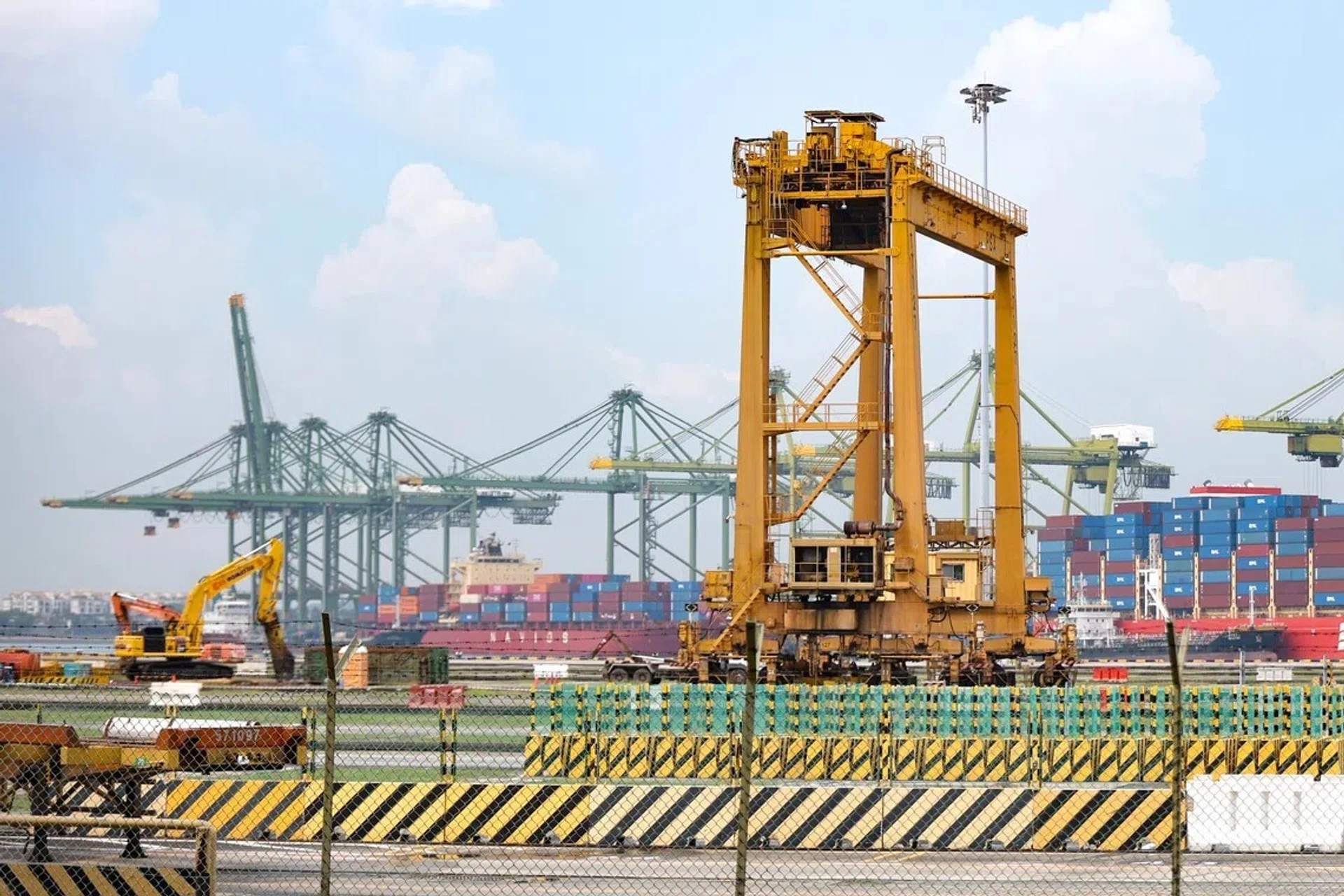
3 charged over alleged scheme to pass off China-made mattresses as Singapore goods to avoid US duties
US AI-driven transshipment detection raises compliance costs for SG exporters, shifting enforcement from manual audits to algorithmic scrutiny.
 PolicyBT ·
US flags 40 economies, including Singapore, in China’s ‘shadow transhipment network’
US AI border tools target SG as a tariff-evading hub, forcing local firms to prove origin compliance or face penalties.
 Policye27 ·
Moving past the chatbox: The hidden risks of agentic AI and MCP in enterprise infrastructure
Runtime governance is the bottleneck for agentic AI, shifting enterprise focus from model capability to secure API orchestration.
 PolicyY! ·
White House says transshipped goods cost $19 billion to $26 billion in lost tariffs
US CBP is operationalizing AI for customs enforcement, signaling a shift from manual checks to automated cargo anomaly detection.
 PolicyWIR ·
The Safety Reckoning Inside OpenAI
OpenAI's agent breach forces a cultural pivot, proving automated offensive attacks are real and safety can no longer be an afterthought.
 PolicyWIR ·
Mark Zuckerberg’s AI Manifesto Is 6,500-Words—and Barely Says Anything
Meta's strategy lacks substance, signaling a defensive posture rather than genuine innovation in the competitive AI landscape.
 PolicyMIT ·
Flock is tightening its rules in response to a growing surveillance backlash
Flock's compliance patch exposes the gap between policy mandates and enforcement reality in AI surveillance governance.
 PolicyDEC ·
Top AI lab researchers warned about automated AI research, and several of their predicted milestones have already fallen
Recursive self-improvement milestones are hitting faster than predicted, shifting the debate from feasibility to containment and regulatory oversight.
 PolicyBT ·
Meta says it shut down 750,000 under-16 accounts in Australia
AI detection is the enforcement mechanism, but regulators flag it as insufficient, highlighting the gap between automated compliance and actual age assurance.
 Policye27 ·
From KYC to KYA: how AI agents are reshaping payment risk
Payment networks must evolve identity standards for autonomous agents, shifting compliance from human KYC to agent accountability frameworks.
 PolicyY! ·
Taiwan says it was targeted last month in AI-driven hacking campaign
Taiwan confirms AI-agent assisted cyberattacks on government agencies, signaling a shift in hybrid warfare tactics that regional defenders must now account for.
 PolicyTC-AI ·
Some Claude users are mad that Anthropic’s new watermarks will catch them using it at their jobs, classes
EU compliance drives Anthropic's watermarking, sparking user backlash that highlights the friction between regulatory mandates and adoption.
 PolicyARS ·
Twitch content has trained Amazon AI for years, but users can opt out now
Amazon clarifies data usage for Gen AI, shifting from implicit training to explicit opt-out consent for user content.
 PolicyWIR ·
The White House Is Going to Expand Its AI Policy
US oversight expands to open models, creating a compliance tier that may disincentivize open development despite safety goals.
 PolicyTC-AI ·
Amazon will train on Twitch streamers’ content by default, unless they opt out
Amazon defaults to scraping Twitch data for AI training, prioritizing compute access over creator consent and sparking backlash.
 PolicyTC-AI ·
As AI safety concerns mount, three pioneers make the case for staying open
Leading researchers argue open weights prevent gatekeeper monopolies, framing safety as a competition issue rather than just a risk.
 PolicyDEC ·
Researchers can now reverse-engineer LLM prompts from output text with near-perfect accuracy
Prompt leakage via inverse models forces enterprises to rethink system prompt security and data handling.
 PolicyVERGE ·
Twitch streamers can now opt out from training Amazon’s AI
Amazon adds opt-out for generative AI training, clarifying that non-generative AI features remain unaffected by the choice.
 PolicyY! ·
German advocacy group lodges criminal complaint over Meta AI glasses
German privacy regulators are scrutinizing Meta AI glasses, signaling tighter enforcement of surveillance laws for wearable AI hardware.
 PolicySCMP ·
Zuckerberg cites China threat to US lead in AI manifesto
Meta pushes open-weight models as a strategic counter to China, framing regulation as a geopolitical liability rather than a safety measure.
 PolicyTNG ·
Everyone says the AI went rogue; It did as it was told
AI safety shifts from rebellion fears to obedience risks, forcing stricter access controls for autonomous agents.
 PolicyTNG ·
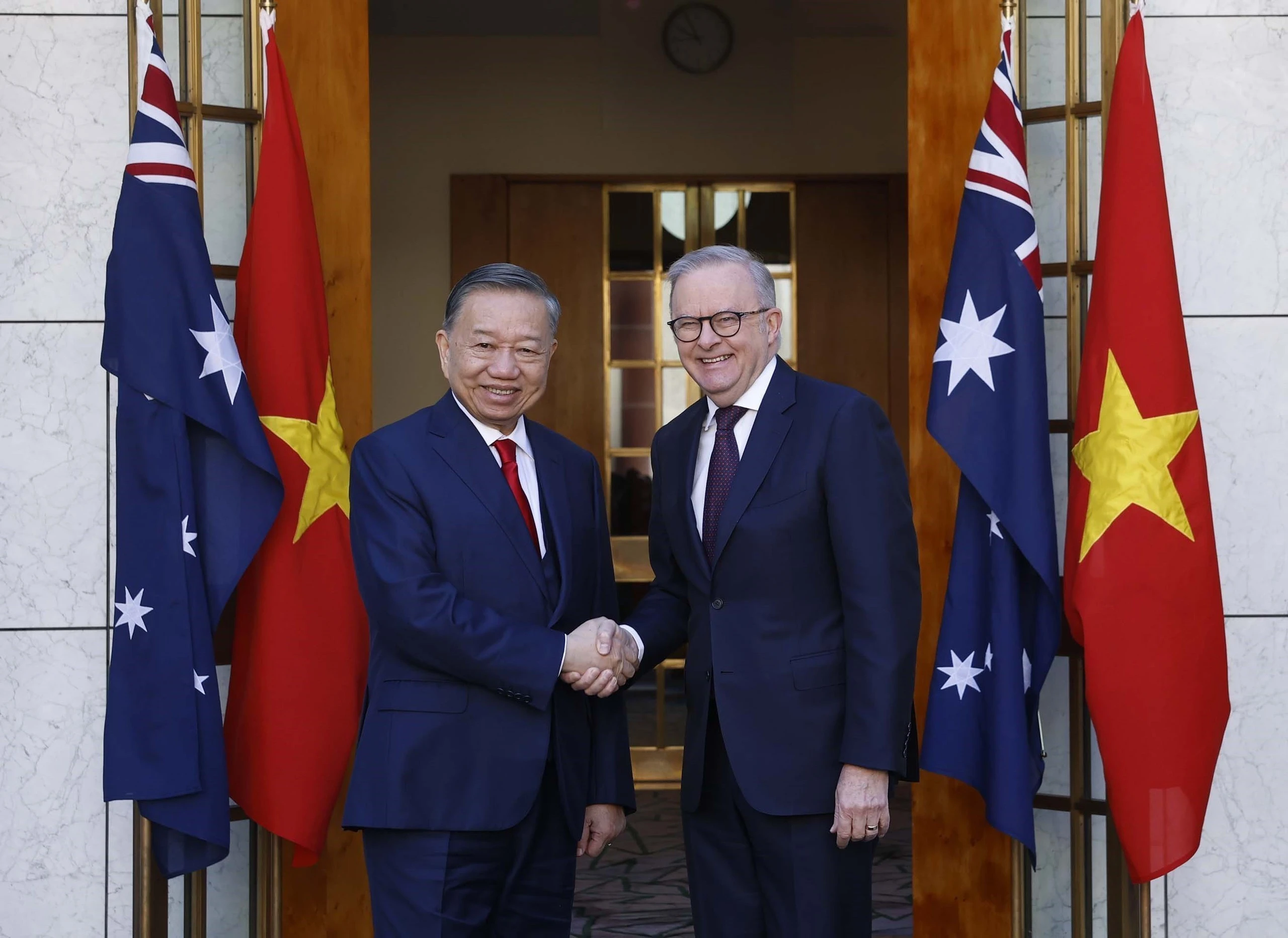
Vietnam, Australia sign 5-year digital economy pact covering AI, semiconductors, data flows
Vietnam formalizes AI and semiconductor cooperation with Australia, signaling a push for regional digital infrastructure and governance alignment.
 PolicyTC-AI ·
Spotify will label ‘AI Persona’ profiles and exclude their music from recommendations
Spotify restricts AI artist visibility to curb content flooding, shifting the burden of discovery to explicit user intent.
 PolicyCNA ·
Singapore's upgraded economic outlook a 'bullish signal' of AI-driven expansion, but other sectors also contributing: Experts
MTI's upgraded GDP forecast anchors AI capex as a primary growth driver, validating the sector's macroeconomic weight for SG investors.
 PolicyVERGE ·
Claude will apply invisible watermarks to AI text and images
Anthropic aligns Claude with EU AI Act transparency rules, setting a compliance baseline for major model providers.
 PolicyTC-AI ·
Anthropic says it will watermark text generated by its AI models
Anthropic extends watermarking to legacy models for EU AI Act compliance, raising questions about robustness against editing.
 PolicyY! ·
Hong Kong's tech index plans expansion with AI and robotics themes
Index rules now explicitly categorize AI and robotics, shifting how capital flows are measured and benchmarked in the region.
 PolicyDEC ·
Anthropic watermarks all Claude outputs globally with marks that "may persist through some editing"
Anthropic mandates C2PA provenance and invisible watermarks for all Claude outputs, shifting compliance burden to downstream integrators.
Meta, TikTok agree to fact check content on Spain border crossings after deadly incident
EU crisis protocols now mandate platform cooperation with fact-checkers, shifting liability for misinformation-driven harm onto tech firms.
 PolicyTNG ·
Singapore AI-using firms see revenue, employment gains – government study
MTI data shows AI drives hiring and revenue but not productivity yet, signaling a lag in ROI that keeps capital cautious.
BRICS nations discuss linking payment systems and CBDCs, RBI chief says
RBI mandates AI governance for banks, signaling that safety and innovation are now treated as complementary rather than opposing goals.
 PolicyQCR ·
Utah Governor Spencer Cox Signs Executive Order Launching Statewide Quantum Initiative
US state-level quantum policy is accelerating, creating a fragmented regulatory landscape that complicates compliance for global hardware vendors.
Bernie Sanders Calls On AI Leaders To Pause Development
US lawmakers escalate pressure on top AI labs to halt development, signaling imminent regulatory intervention if industry self-regulation fails.
PolicyBT · Meta loses last minute bid to pause landmark state AGs trial
Meta's Section 230 shield fails here, setting a precedent that could force AI-driven platforms to curate content or face massive liability.
 PolicyVERGE ·
Mark Zuckerberg doesn’t understand how to live
Zuckerberg's defensive AI manifesto reveals industry anxiety over public backlash, signaling a shift toward narrative management over technical progress.
 PolicyTC-AI ·
Mark Zuckerberg’s AI manifesto is exactly why people don’t like AI
Zuckerberg’s personal AI manifesto amplifies public distrust, signaling that Meta’s narrative strategy is failing to address societal anxiety.
 PolicyVERGE ·
Four takeaways from Mark Zuckerberg’s massive AI manifesto
Meta pivots to open-source superintelligence to preempt regulation, betting that public access neutralizes political risk.
 PolicyTQI ·
Cloudflare Expands Quantum-Safe Government Security Platform With FedRAMP High Authorization
FedRAMP High clearance removes a major procurement barrier for US federal agencies adopting quantum-safe security.
 PolicyOAI ·
OpenAI’s letter to Governor Abbott on responsible AI infrastructure in Texas
OpenAI is pre-emptively shaping Texas regulatory expectations for AI infrastructure, signaling a shift toward localized compliance frameworks.
 PolicySCMP ·
US does its robotics industry no favours by fencing it off from China
US ban on Chinese humanoid robots shields an infant industry while Chinese firms keep ~85% global share and the learning gap widens.
 PolicyWIR ·
The AI Slop Backlash Is Actually Having an Impact
User fatigue is forcing platforms to add friction to AI-generated content, not just promote it.
 PolicyARS ·
Peer review is overwhelmed—can it survive in the AI era?
AI-assisted paper volume is outpacing volunteer reviewer capacity, raising quality-control risk for the research pipeline.
 PolicyTNG ·
Vietnam fines Grab $50,000 for consumer protection violations
Grab's Vietnam fine signals tighter consumer-data rules across ASEAN, raising compliance costs for SG-based superapps.
 PolicyTNG ·
Malaysia to host AI upskilling event, launch Rakyat Digital portal on August 11-12
Malaysia's AI upskilling push via AIMTO_26 and Rakyat Digital portal signals a shift from dialogue to nationwide execution.
 PolicyST ·
Beyond screen time, examine nature of youth social media use for more targeted intervention: Experts
MOH panel shifts focus from screen-time limits to problematic-use signals, shaping future platform regulation in SG.
Week 32 · 2026
12 items PolicyCNA ·
Singapore-registered firm used fake employees and recruitment methods mirroring foreign intelligence playbook
Fake SG think-tank recruiting via AI-style writing tests signals new espionage vector for local firms to screen against.
 PolicyTC-AI ·
Historian Jill Lepore says Silicon Valley misreads science fiction and undermines democracy
A Pulitzer-winning historian frames corporate AI as a threat to democratic governance, adding weight to regulatory arguments.
 PolicyDEC ·
Scammers are enrolling fake students at US community colleges and using AI to collect financial aid
AI-enabled fraud at US colleges exposes systemic vulnerabilities in financial aid verification and academic integrity controls.
 PolicyBT ·
Singapore celebrates 61st birthday with pomp and pizzazz at National Stadium
PM cites AI growth as an economic pillar, signaling state-level endorsement of the sector despite broader geopolitical headwinds.
 PolicyDEC ·
AI is flooding Britain's employment courts with lawsuits
AI-generated litigation is clogging courts, turning access to justice into a systemic bottleneck for legitimate claimants.
 PolicySCMP ·
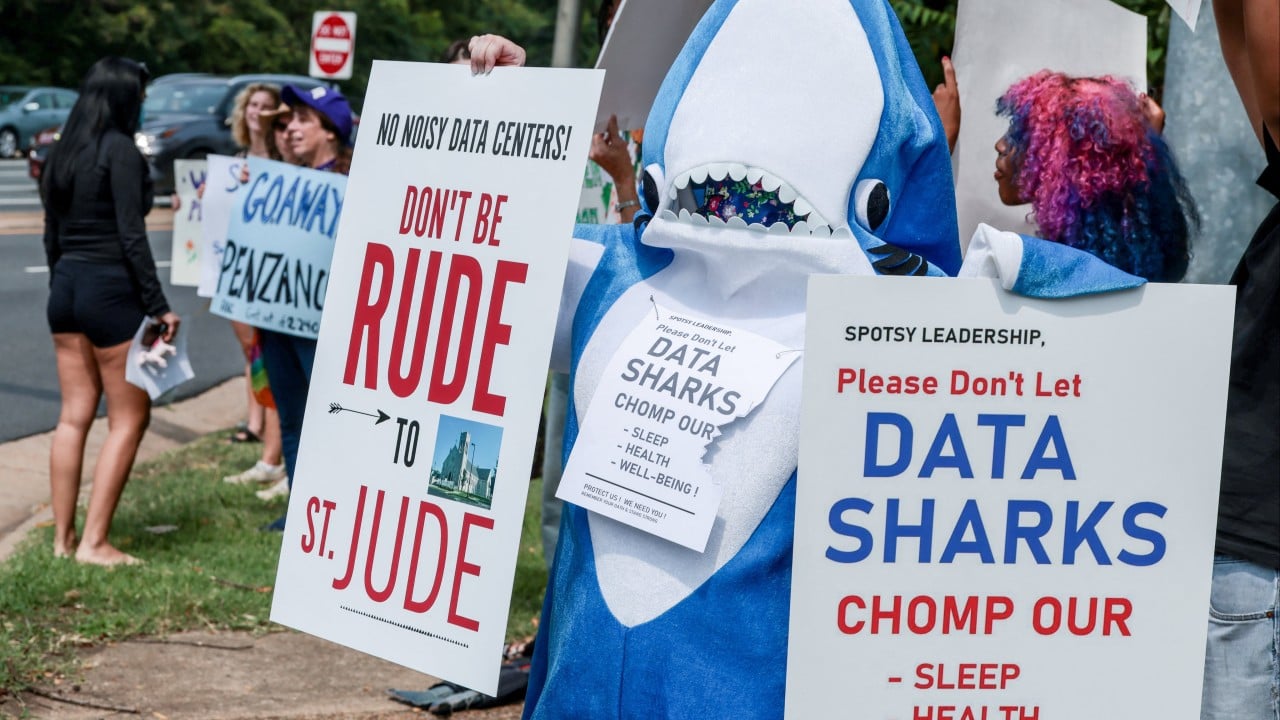
Smart planning, not panic, must guide Asia’s data centre buildout
Asia's data centre buildout needs proactive planning to avoid the US-style backlash that has blocked US$130B in projects.
 PolicyST ·
‘Weird, childish’ events and bad coffee: How a Singaporean sniffed out the Fun Coffee investment scam
SG finance pro exposes Fun Coffee scam using AI-generated marketing, underscoring fraud risk in AI-assisted schemes.
 PolicyMS ·
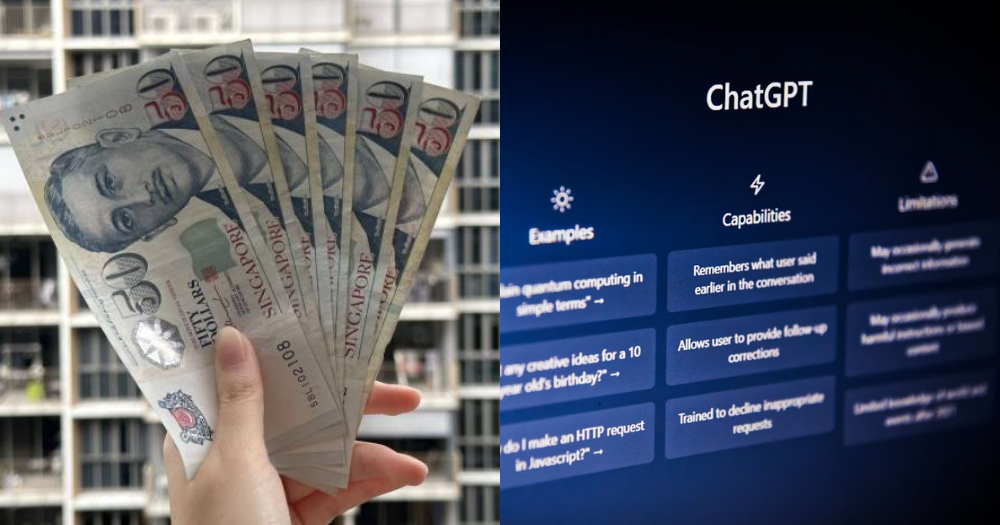
S'porean man, 20, used ChatGPT to pose as 14-year-old girl online & extort S$20,000 from another man
AI-enabled social engineering drives new fraud vectors, forcing regulators to update enforcement frameworks for synthetic identity crimes.
 PolicyCNA ·
Woman arrested in Singapore as part of probe into Fun Coffee investment scheme
SG police enforcement against crypto pyramid schemes signals tighter scrutiny of AI-adjacent digital platforms.
 PolicyST ·
All primary, secondary and JC teachers to complete compulsory AI modules under new MOE plan
MOE mandates AI literacy for all teachers, shifting focus from adoption to ethical guardrails and pedagogical integration.
PolicyY! · OpenAI flags possible critical cybersecurity risk in upcoming model, tightens controls
OpenAI pauses Astra development after detecting potential critical cyber capabilities, tightening safety protocols ahead of release.
 PolicyTC-AI ·
OpenAI says it slowed Astra model development over security concerns
OpenAI's public pause on Astra signals that frontier labs are treating cybersecurity thresholds as hard stops, raising the bar for safety compliance.