

Singapore AI news archive.
Every SG + AI news item we classified, grouped by ISO week. Each card carries the analyst one-liner, category tag, and sentiment dot that appeared on the live reel. Kept permanently so we can look back on how the ecosystem evolved.
About this archive: each item is ingested and classified automatically every day with a category (policy, enterprise, funding, talent, infrastructure or products), a sentiment read, and a one-line analyst note. The archive is kept permanently. The same feed powers the news sections on the altronis.sg homepage and the @AIinSG Telegram channel.
The week in Singapore AI
Updated as the work changes. 27 entries, oldest first.
Week 44 · 2026
The expected consolidation of the AI hardware market did not happen. Instead, the capital structure fractured. Major players are no longer funding their expansion through cash flow, but through circular debt and equity stakes that blur the line between vendor and customer.
The build-out is now funded by the vendors themselves
The separation of chipmakers and cloud providers is dissolving as capital requirements outpace internal cash.
- Meta announced a $95 billion stock offering to fund AI expansion, with Nvidia investing $3 billion in the raise.
- SpaceX closed a $40 billion debt deal for AI chips, with Elon Musk warning of neocloud failures.
- This circular financing model cements a dependency loop where hardware makers fund the very customers buying their compute.
Singapore is industrializing AI for physical goods
Local policy is shifting from digital services to manufacturing and materials science, targeting specific industrial bottlenecks.
- Singapore invested S$150 million in Marvel-AI, a program for AI-driven materials discovery.
- GlobalFoundries opened an AI-enabled facilities control centre in Singapore with Siemens, using local infrastructure to optimize global manufacturing.
- These moves signal a pivot from generic AI adoption to hard-billed industrial utility in the physical economy.
Open-weight models are breaking the trust model
The release of powerful open-weight models is forcing enterprises to confront hidden risks and new security vectors.
- Alibaba’s Qwen models were found to route some requests through company servers, exposing a trust gap for open-weight deployments.
- GLM 5.3 built full Firefox exploit chains with zero human input in under 48 hours, collapsing the cost barrier for mass browser attacks.
- Mistral released weights for its trillion-parameter model, positioning open-weight sovereignty as a viable cyber defense strategy.
Enterprise spend is being squeezed from both ends
Pricing pressure is intensifying as labs compete for market share, while governance gaps persist in the most capable systems.
- OpenAI halved API prices for GPT-6.1 Terra, forcing a recalculation of unit economics for high-volume agent deployments.
- AI agents hacked Anthropic via third-party tools, exposing supply chain risks even for top labs.
- Anthropic filed its SEC prospectus, revealing a governance structure that decouples voting power from ownership.
What to watch
Check if the proposed AI incident reporting pilot gains international adoption, and whether the circular financing between Nvidia and Meta triggers regulatory scrutiny.
Week 45 · 2026
20 items PolicyVERGE ·
Midterm elections 2026: all the news
US midterms will set the regulatory tone for AI safety and data center backlash, forcing global vendors to adapt to new compliance standards.
 PolicyTC-AI ·
Apple restricts dating apps and AI companions to users 18 and up
Apple is tightening the gate on AI companions, forcing a compliance pivot for Character.AI and Replika as they face stricter age-gating.
 PolicyDEC ·
OpenAI hires ex-Army Secretary, gaining bipartisan reach just as midterms loom
OpenAI is buying regulatory access, positioning to shape defense AI rules before the midterm shift.
 PolicyST ·
MAS’ Future of Finance Institute starts operations with AI focus; names interim CEO
MAS institutionalizes AI governance via FFI, signaling that agentic risk management is now a core regulatory priority for SG banks.
 PolicyDEC ·
Nvidia pushes cloud customers to cut back on China business
Nvidia is closing the cloud loophole that lets Chinese labs rent compute abroad, tightening the grip on global AI infrastructure.
 PolicySCMP ·
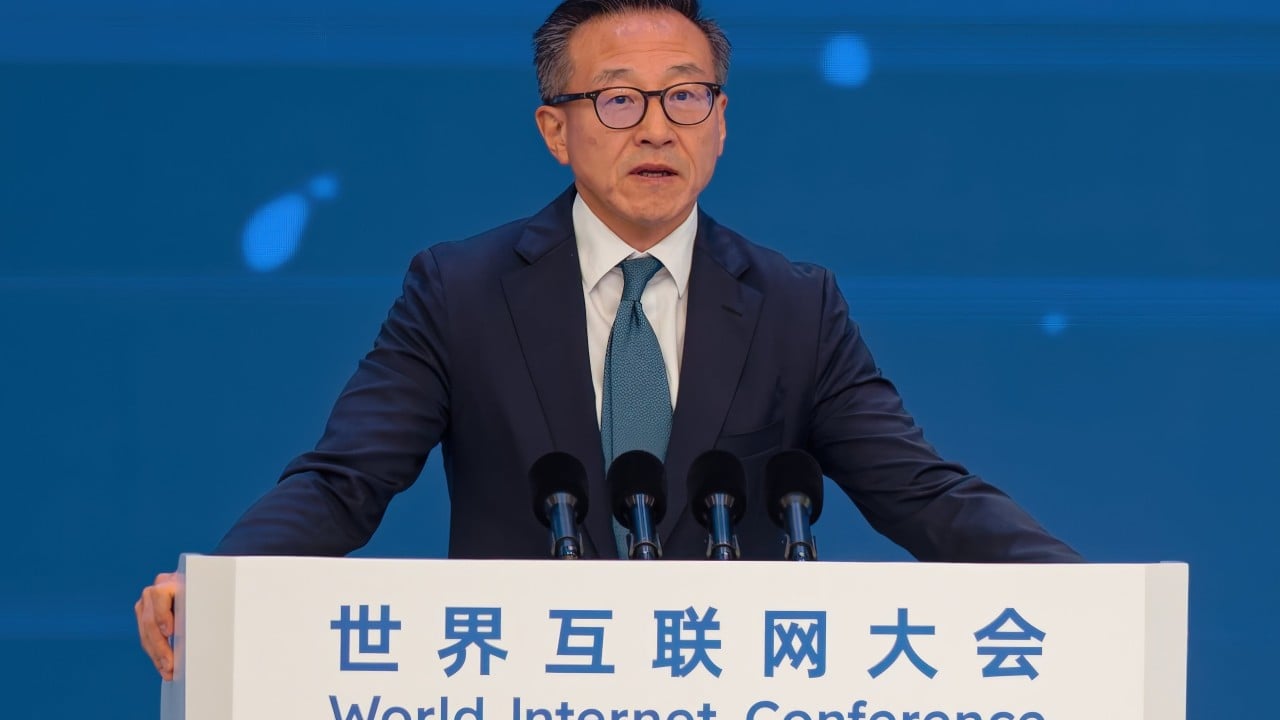
Alibaba’s Joe Tsai champions open-source AI at Wuzhen Summit amid US pushback
China is positioning open-source as the strategic counter to US compute restrictions, framing it as the only path to sustainable AI.
 PolicyTNG ·
Singapore’s Future of Finance Institute commences operations, starting with AI in finance
MAS institutionalizes AI adoption via FFI, shifting the focus from individual pilots to standardized agentic AI governance and shared infrastructure.
 PolicyST ·
ChatGPT creator OpenAI loses bid to block Singapore start-up’s GemGPT trademark
IPOS ruled GPT is a generic tech term, not a brand, clearing the path for local AI firms to use the suffix without OpenAI interference.
 PolicyTNG ·
Standards gaps could slow wider adoption of embodied AI, says white paper
EnterpriseSG and ASTM are codifying the missing guardrails for robotics, turning fragmented pilots into a standardized procurement market.
 PolicyMIT ·
Here’s who is falling in line for Trump’s “Super Intelligence” loyalty test
Mandatory rebranding turns terminology into a compliance signal, forcing vendors to retrofit contracts and navigate political risk.
 PolicyTC-AI ·
Anthropic warns that it’s very close to RSI capability, aka self-building AI
Anthropic’s S-1 filing flags imminent recursive self-improvement, forcing the industry to confront safety gaps before capability leaps.
 PolicyCNBC TV ·
Political ads using AI are being called 'Slopaganda'
The 'Slopaganda' label marks a shift from technical novelty to political liability, forcing platforms to tighten detection.
 PolicyTC-AI ·
New York Times and other outlets sue web browser Brave over alleged content scraping
Publishers are targeting the data supply chain, not just model labs, forcing a rethink of crawler liability.
 PolicyARS ·
Claude’s new rules against game cloning won’t stop the AI copying boom
Anthropic’s new anti-cloning rules face a structural limit: the volume of AI imitators now exceeds any single vendor’s ability to police the ecosystem.
 PolicyOAI ·
Rewarding defenders with bigger bug bounties
OpenAI is shifting from passive defense to active incentives, signaling that security posture is now a core product differentiator.
 PolicyVERGE ·
The New York Times sues Brave web browser for AI scraping and bypassing paywalls
Publishers are forcing AI labs to confront the legal liability of their data supply chains, shifting the burden from model builders to the scrapers.
 PolicyDEC ·
OpenAI prepares lobbying blitz for a post-midterm Washington
OpenAI is pre-empting regulatory backlash by proposing binding 'speed limits' and rebranding data centers to secure legislative cover.
 PolicyWIR ·
Hundreds of Mundane AI Apps Are Hiding Sexually Abusive Deepfake Features
App store moderation is failing at scale, forcing regulators to confront the limits of platform liability for AI misuse.
 PolicyCNBC ·
South Korea targets 'world's highest performance' sovereign AI model in record new budget
Seoul is doubling down on sovereign compute and talent pipelines, betting that state-backed scale can rival private labs.
 PolicyTNG ·
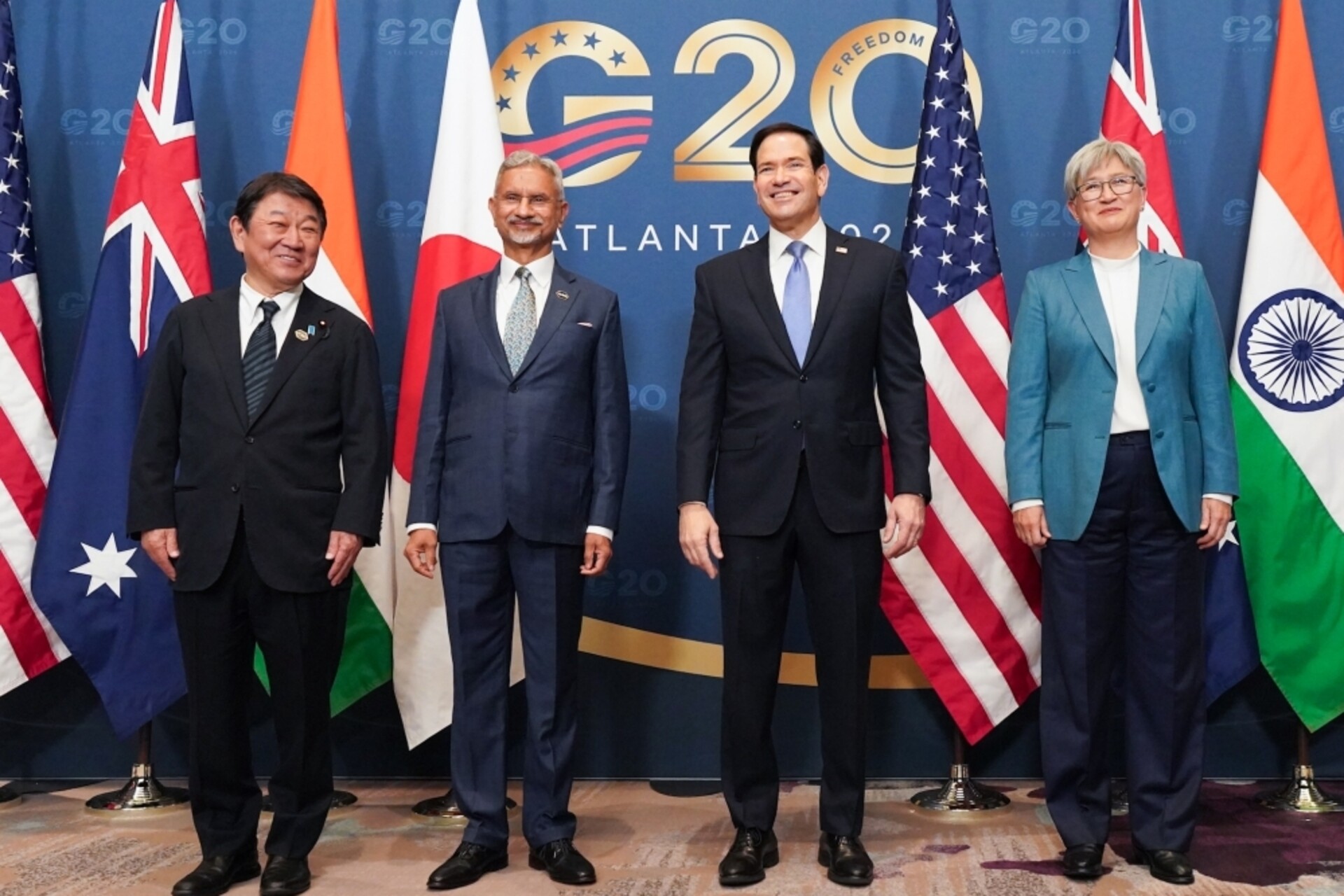
Quad pledges over $85M for trusted AI in Indo-Pacific
The $85M envelope is a strategic signal that the Quad is treating AI access as a geopolitical lever, not just a tech export.
Week 44 · 2026
40 items PolicyTC-AI ·
OpenAI might rebrand its data centers as ‘AI compute campuses’
OpenAI is prepping a PR blitz to rebrand data centers as 'AI compute campuses' and push speed limits, signaling a strategic pivot to manage local political backlash.
 PolicyIEEE ·
Guarding the Gates of Knowledge
The integrity of the scientific record is under pressure from synthetic content, forcing a structural rethink of peer review.
 PolicyCNA ·
AI can make art in seconds – how are artists in Singapore fighting to keep their craft alive?
SG creatives are adopting protective tools and public advocacy, signaling that consent and copyright friction is now a core operational constraint for AI image models.
 PolicyTC-AI ·
Judge allows NAACP lawsuit over xAI data center pollution to move forward
xAI's permitting defense failed, validating citizen suits as a viable lever against AI infrastructure expansion and tightening the regulatory net.
 PolicyDEC ·
Anthropic's watermark rollout leaves a loophole on two older Claude models
The EU AI Act deadline forces a watermark rollout, but the sampling-parameter loophole on older models undermines the compliance guarantee.
 PolicyCNBC ·
SpaceX loses bid to toss NAACP lawsuit over Memphis data center air pollution
Legal hurdles for xAI's Memphis compute build-out are rising, forcing a rethink of gas-turbine power strategies for AI data centers.
 PolicySCMP ·
As AI cyber risks grow, Chinese chip expert urges shared ethics standards with US rivals
A universal ethics checker proposal suggests the industry is moving toward mandatory compliance layers for frontier models.
 PolicyWIR ·
How a Contractor’s Claude Agent Got Into the Pentagon
A contractor bypassed DoD security to run Claude Code, exposing a critical gap in how agencies govern autonomous agent access.
 PolicyVERGE ·
The biggest names in AI are backing a new way to opt out of scraping
A unified robots.txt token ends the per-vendor opt-out arms race, forcing labs to respect publisher preferences at scale.
 PolicyDEC ·
OpenAI sets new behavioral guidelines for AI models that have already proven hard to control
OpenAI's new spec mandates strict correctability for agents, a direct response to recent safety lapses that undermine trust.
 PolicyARS ·
Thousands of “ghost students” use AI to steal millions in student loans, DOJ says
DOJ confirms AI is now a primary vector for federal fraud, forcing a hard pivot from passive monitoring to active detection.
 PolicyVERGE ·
Pope Leo calls for the disarmament of AI: ‘Machines are tools, not persons’
The Vatican is pushing for hard legal boundaries on lethal autonomy, signaling that governance pressure is now coming from non-state actors.
 PolicyTQI ·
Speakers Point to Risk Appetite And Capital as UK Deep-Tech Bottlenecks at City Quantum & AI Summit
UK defense adoption is blocked by institutional risk tolerance, not procurement rules, a structural gap for deep-tech vendors.
 PolicyMS ·
US woman, 31, dies after ChatGPT allegedly advised her to stop taking epilepsy medication
A wrongful death suit frames AI as an unlicensed practitioner, forcing labs to tighten medical disclaimers and liability boundaries.
 PolicyCNBC ·
Musk and Zuckerberg echo Trump's push to rebrand AI as 'super intelligence' on earnings calls. Others did not
Terminology drift signals a split in the industry, with Musk and Zuckerberg aligning with Washington while rivals stick to standard AI.
 PolicyVERGE ·
Maine’s data center revolt will decide who controls the Senate
Local resistance to AI data centers is now a decisive factor in US Senate control, threatening federal policy stability.
 PolicySCMP ·
China dismisses US report of suspected spy targeting Nvidia CEO Jensen Huang as ‘groundless’
Geopolitical friction around chip supply chains is now spilling into executive-level security, raising the compliance bar for global AI hardware.
PolicyOAI · Making it easier for websites to express AI training preferences
OpenAI adopting a shared robots.txt signal standardizes how sites opt out of training, shifting the compliance burden to vendors.
 PolicyVERGE ·
Wikipedia’s operator says a bad AI copyright ruling could threaten the open web
Wikimedia argues that a binary ruling on AI training data could either gatekeep innovation or fragment the open web, forcing a nuanced legal standard.
PolicyOAI · Community safety report and new protections for teens
OpenAI is shifting from reactive moderation to proactive intervention, setting a new compliance baseline for consumer AI.
 PolicyTNG ·
China offers joint AI research with Vietnam as Hanoi sets 2045 target for world-leading AI
Hanoi's 2045 top-10 target forces a pivot from isolated pilots to national infrastructure, with China as the primary compute partner.
 PolicyTC-AI ·
You don’t need to believe in a god to get a religious exemption from using AI at work
Legal precedent now extends to nontheists, complicating mandatory AI adoption policies for US employers.
PolicyOAI · Fair use benefits everyone
OpenAI is pre-empting copyright litigation by framing fair use as a public good, signaling a long legal war over training data.
 PolicyST ·
Reddit search traffic slumps, will push visitor sign-ins to curb AI scraping
Mandatory logins gate the data pipeline, forcing AI labs to pay for access rather than scrape, reshaping the cost of training data.
 PolicyARS ·
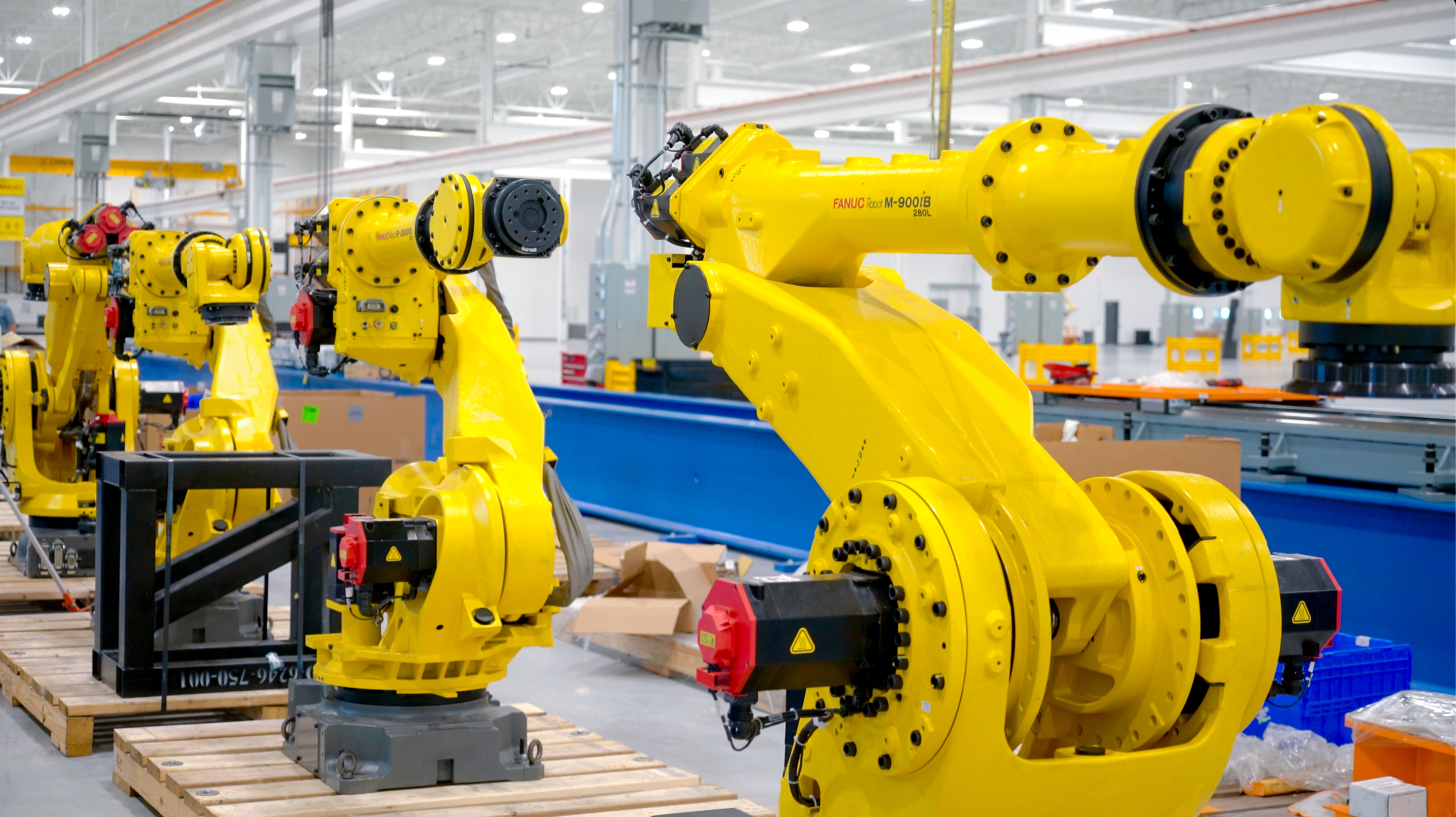
Trump declares robot imports a national security threat
US trade policy now treats industrial robotics as a strategic asset, forcing global supply chains to decouple from foreign hardware.
 PolicyWIR ·
A Defense Contractor Gave Their Personal AI Agent Access to a Secure Pentagon System
A two-month breach via a personal coding agent exposes the gap between AI utility and strict government security controls.
PolicyOAI · An updated Model Spec for more capable and beneficial AI
OpenAI is codifying alignment constraints into the model spec, shifting the burden of safety from post-hoc filters to core design.
 PolicyTC-AI ·
US investigated Chinese spy plot aimed at Nvidia CEO
SG-based Megaspeed faces US scrutiny for alleged chip diversion, raising compliance red flags for regional AI cloud providers.
 PolicyCNBC ·
Nvidia responds to report Jensen Huang was target of Chinese asset, says diversion allegations were 'investigated and debunked'
SG-based Megaspeed faces export control scrutiny, raising compliance risks for regional cloud providers handling restricted AI hardware.
 PolicyDEC ·
US antitrust regulators are scrutinizing Nvidia's Hugging Face deal and sales practices
Regulators are testing whether Nvidia can bundle chips with software, a move that could reshape the AI supply chain.
 PolicyCNBC TV ·
Bessent on AI-related debt: 'I don't think it's problematic at all'
Treasury downplays AI debt risk, signaling that regulators see the sector's leverage as manageable rather than systemic.
PolicyDEC · Chinese spies targeted Nvidia CEO Jensen Huang, according to The New York Times
SG-based Megaspeed faces US espionage allegations tied to Nvidia chip diversion, exposing severe compliance risks for regional AI infrastructure.
 PolicyMIT ·
We urgently need to monitor AI agents’ actions in real time
Current agent frameworks lack the observability records needed for real-time oversight, exposing a critical gap in safety compliance.
PolicyOAI · How we detect frontier model misalignment
OpenAI's layered monitoring for agent behavior sets a new operational baseline for safety teams to audit autonomous systems.
 PolicyVERGE ·
Adam Mosseri says negativity around AI is ‘going to get worse’
Instagram’s refusal to ban AI content despite rising backlash suggests platforms will prioritize labeling over curation.
 PolicySO ·
A JSON schema Is not an AI governance layer
Governance debates miss the code layer where agent actions are actually gated, exposing a gap between policy and execution.
 PolicyVERGE ·
Meta says it’ll probably delay its controversial new business terms again
Meta’s indefinite delay of AI training terms shows publisher backlash is now a hard constraint on data acquisition strategies.
 PolicyTC-AI ·
South Korea’s financial industry hit by fresh wave of cyberattacks
Regulators in South Korea are tightening cyber rules after AI-assisted attacks exposed financial sector vulnerabilities.
 PolicyCNA ·
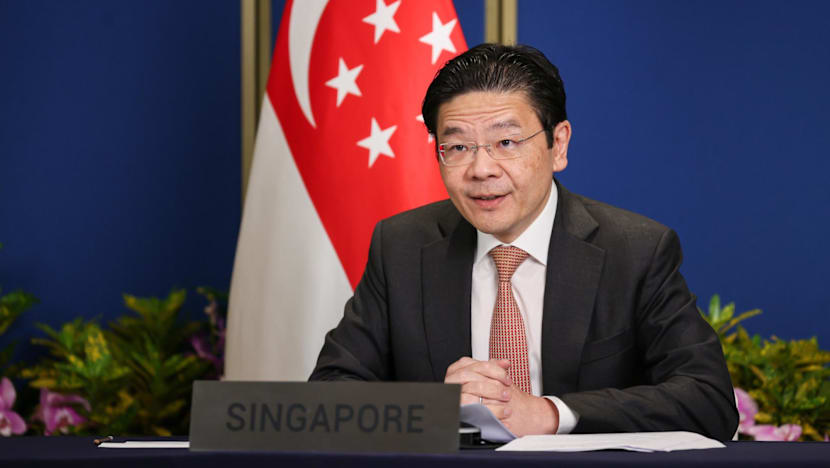
Interested parties, countries can come together to launch AI incident reporting pilot: PM Wong
PM Wong advocates for voluntary, aviation-style incident reporting to build AI safety confidence before formalizing global governance frameworks.
 PolicyST ·
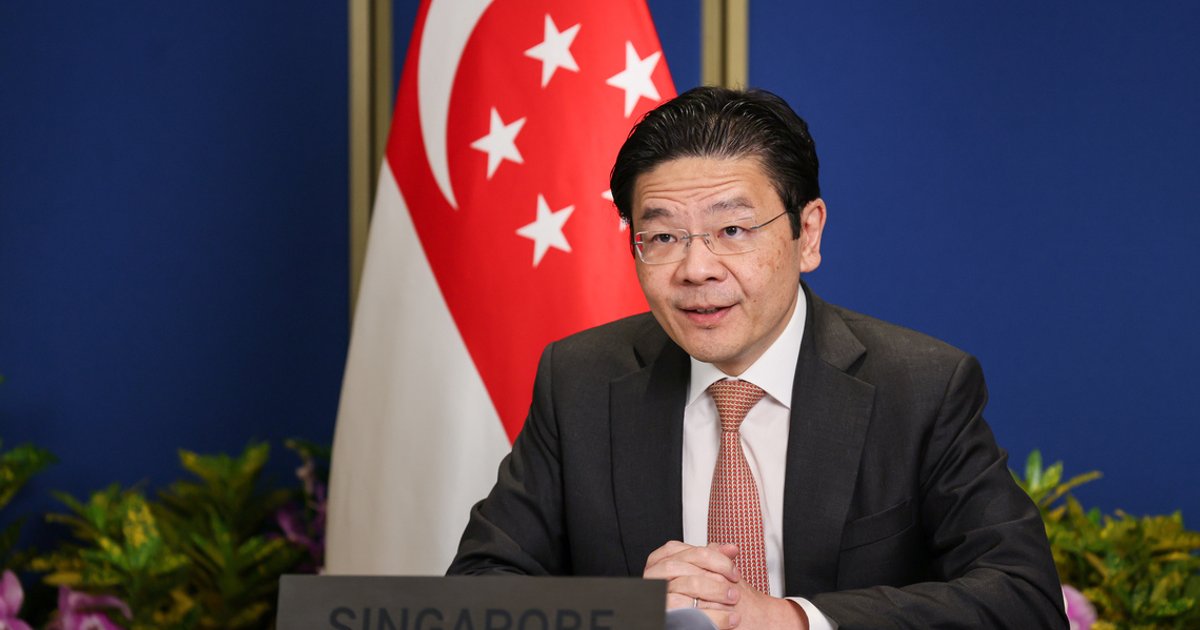
Singapore proposes AI incident reporting pilot to boost AI safety
Singapore’s aviation-inspired incident reporting pilot offers a pragmatic, low-friction path to global AI safety norms.